Building Enduring Teams and Careers
Why long-term planning shapes organisational resilience and individual success

Our Insights post last month explored the value of professionalisation through clearer job descriptions, structured interview processes, and greater transparency across organisations. Those structural improvements are essential, but structure is not an end in itself. It is the foundation for strategic planning that looks beyond the immediate, toward organisational identity and leadership culture you want to sustain in three to five years. It is also the backdrop against which talented professionals evaluate not only what they do next, but what they become over time.
In this article, we shift the lens from clarity of process to clarity of purpose, helping you think about the future you want to build, whether as an art world professional or as an organisation.
Long-Term Planning as Strategic Discipline
When organisations begin to think about how roles contribute to their future configuration, not just their current gaps, hiring decisions become inherently strategic. Instead of asking, “Who fills this seat now?”, leadership teams begin to ask, “How will this role evolve? What capability does this team need to navigate emerging opportunities and challenges? Who can grow into broader leadership in the next three years?”
This shift does not just improve individual hires; it elevates how organisations see themselves. Teams become intentional about composition, overlap, and gaps, and leaders begin to consider role design alongside business strategy, not simply as a response to turnover or revenue urgency.
While structured and professionalised hiring processes build the mechanics of recruitment, long-term planning builds the architecture and supports the culture of the organisation.
Designing for Leadership Depth
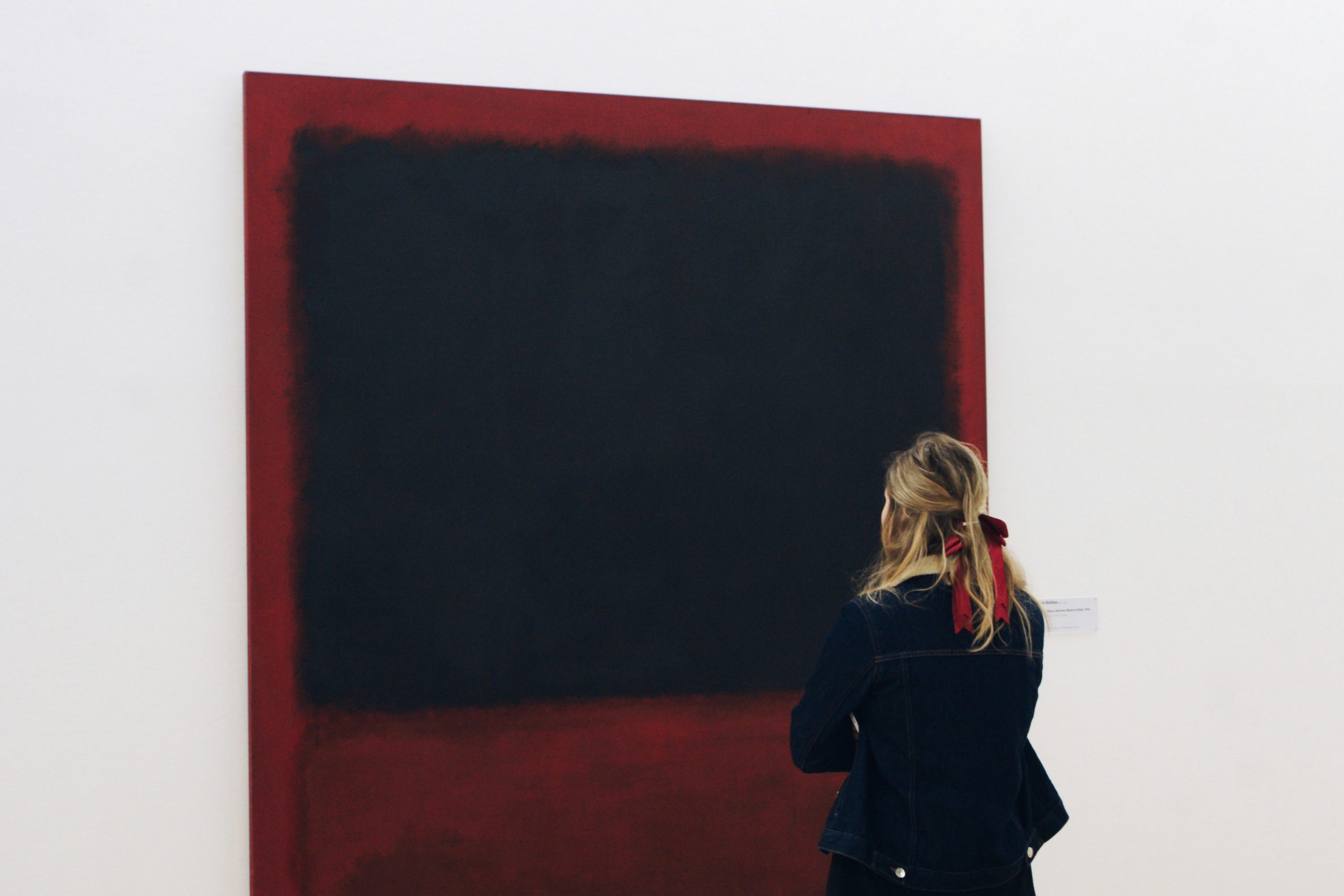
In steadier hiring markets, organisations have an opportunity to evaluate not only who they are hiring, but why.
A role becomes meaningful when it closely aligns with a company’s strategic vision, and its success is more assured when the organisation has clarity around where it sits within future organisational structure.
This kind of strategic discipline manifests in various ways:
- Leadership teams define roles not by urgency, but by future responsibility and potential growth.
- Compensation packages are calibrated not just to attract talent, but to retain it across changing business needs.
- Succession planning becomes part of normal organisational cadence, not a reactive measure when a key leader departs.
Across sales functions, for example, there is increasing emphasis not just on immediate revenue production, but on the durability of relationship building and the long arc of client cultivation that sustains businesses through cycles. Organisations able to articulate this capacity tend to attract candidates who see themselves as builders and can imagine growing with the company for years to come.
Stability as a Strategic Advantage
Candidates today are evaluating opportunities with an eye toward organisational consistency. They want to understand leadership longevity, clarity of expectations, and whether growth plans are grounded in operational reality. These signals matter because they translate into confidence that a role is not only viable now, but sustainable as part of a long career trajectory.
In practice, this often surfaces in the questions candidates ask. They want to know how long senior leaders have been in place and whether there has been recent turnover at management level. They look for clarity around who makes final decisions and how revenue targets are set. They pay attention to whether growth plans are supported by infrastructure such as additional hires, operational investment, and realistic timelines, or whether they rely solely on optimism.
Clear reporting structures, thoughtful delegation of responsibility, and transparent performance frameworks all contribute to a sense of stability that experienced professionals value deeply. When candidates can see how success will be measured, how support is structured, and how accountability is shared across the organisation, they are better able to assess whether they can perform effectively in the role.
Organisations that can describe not just what they are doing now, but where they want to go and how they intend to get there, are engaging in a different kind of hiring dialogue. They are signaling not only opportunity, but trajectory. That clarity often becomes a deciding factor when senior candidates are weighing multiple options.
Durable Careers Require Strategic Positioning

Long-term planning applies equally to individuals.
Senior professionals increasingly approach opportunities not as isolated career moves but as chapters in a broader narrative, especially within the art world context. Candidates want to understand how a potential role:
- Expand their influence over time
- Position them for future leadership opportunities
- Expose them to new strategic challenges
- Deepen their professional credibility
For many, career moves that once might have been judged solely on title or compensation are now assessed on sustainability of impact. A lateral role in a more structurally mature organisation can, in many cases, compound long-term value more effectively than a nominal step up in title alone.
This shift reflects a broader evolution in how professionals think about their work: less as a series of transactions and more as a strategic sequence of decisions.
The Value of Patience in Strategic Decisions
One of the more defining features of long-term planning is patience and deliberation.
In recent months, we have often seen senior hiring processes take longer, and both organisations and candidates are conducting deeper due diligence. When used well, this additional scrutiny improves alignment. Leadership teams are defining success beyond the first year, clarifying internal expectations, and ensuring that compensation and remit are defensible over time.
However, patience cannot become indecision. Strong candidates are frequently engaged in multiple conversations, and senior professionals, in particular, tend to move through processes in parallel. While they may be thoughtful and measured in their approach, they are also commercially aware. Delays, unclear next steps, or internal misalignment can quickly shift momentum.
Future-focused hiring therefore requires two disciplines operating at once:
clarity in evaluation and efficiency in execution.
Organisations that perform well in competitive processes tend to do three things consistently. They align internally before launching a search, ensuring that stakeholders share a clear view of the role and expectations. They maintain structured but decisive interview timelines. And they communicate transparently with candidates about progression and decision-making.
This discipline, both from organisations and from candidates, in defining, assessing, and committing, is what makes hiring decisions not just effective, but enduring.
Looking Ahead
Professionalisation creates structure, and long-term planning gives that structure purpose.
For organisations evaluating team design, leadership succession, and senior hiring strategy, thinking beyond the immediate allows for stronger organisational continuity and adaptability. For professionals considering their next move, evaluating opportunity through a longer horizon opens pathways to enduring careers built on sustained impact.
In the art world, where relationships and reputation matter as much as skill and experience, long-term planning isn’t abstract strategy, it is practical, intentional decision-making that anchors success.
If you are reviewing your team’s design or contemplating long-term structure, we’re here to help. Get in touch via our client contact form: https://www.sophiemacpherson.com/client-contact-form/